
SMART 3.0 payments + net metering + tax exemptions — Massachusetts pays commercial solar hosts for 20 years.
Plankton Energy is a Massachusetts commercial solar provider offering development, financing, engineering, and installation for businesses and property owners. Proven energy and income generation for REITs, Owner Operators, and commercial real estate investors. Zero upfront cost via PPA, lease, or direct ownership.
COMMERCIAL SOLAR PANELS INSTALLED
PROJECTS UNDER DEVELOPMENT
LIFETIME MWH PRODUCED
Plankton Energy is a commercial solar development company serving businesses and property owners throughout Massachusetts. We develop, engineer, finance, install, own, and operate commercial solar energy systems designed around each property’s financial, operational, and sustainability goals.
Plankton Energy provides a complete commercial solar development process, from project planning and engineering to financing, installation, ownership, and ongoing operations and maintenance. Our team evaluates market-specific financial incentives and interconnection strategies as part of the development process, helping property owners understand the factors that can influence project economics and deployment. For owners with multiple properties, we can create portfolio-wide solar strategies while tailoring the approach to individual assets and market conditions.
With commercial solar industry experience dating back to 2013, Plankton Energy brings expertise across project development, finance, engineering, construction, and operations. We remain a long-term partner after installation, providing operations and maintenance services for the solar systems we install. Whether you own a single commercial building or manage a larger real estate portfolio, our team can help evaluate solar opportunities and develop a practical path toward clean energy generation and long-term property value.
OUR PORTFOLIO
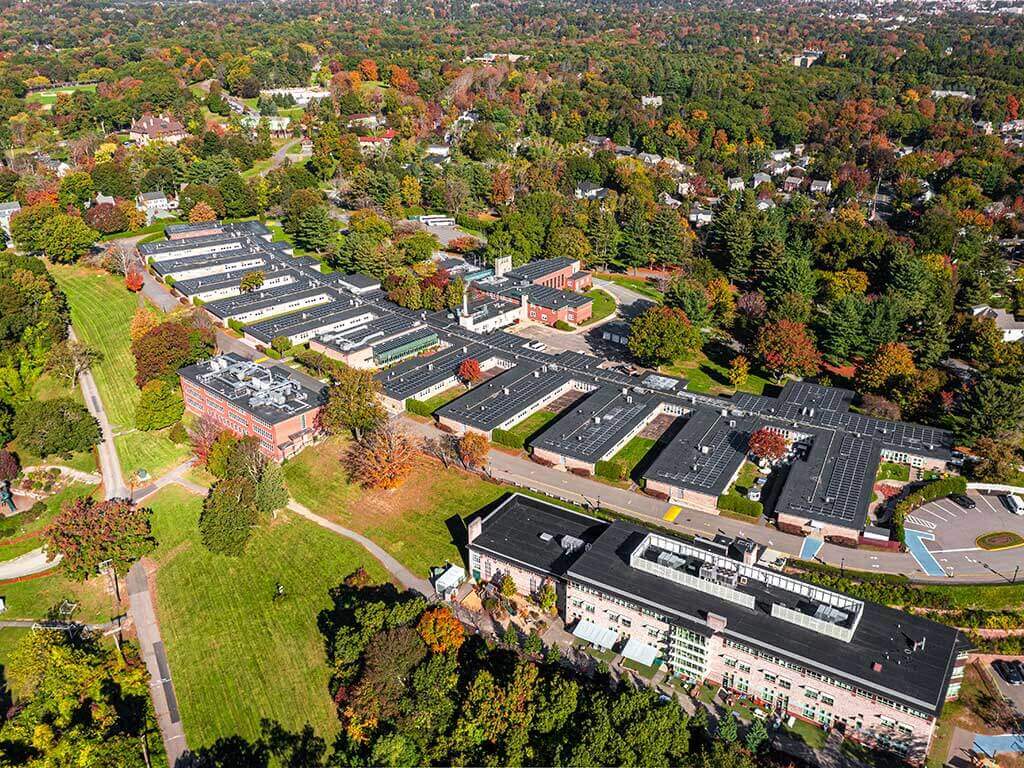
Plankton Energy partners with commercial property owners throughout Massachusetts to deploy solar projects that generate long-term net operating income growth. Whether rooftop, parking canopy, or community solar, our tailored solutions are designed to maximize value across diverse real estate portfolios.

Newton, MA

Hopkinton, MA
Jamaica Plain, MA

Burlington, MA
Plankton Energy helps Massachusetts property owners maximize the value of solar energy systems, optimizing every eligible program — from the state's SMART 3.0 incentive to federal tax credits — based on your ownership model and project location.
Plankton Energy structures financing around your property and ownership model, including zero upfront cost options, to meet diverse real estate needs across Massachusetts.
Own your system and capture all incentives for maximum long-term savings.
Plankton Energy brings experienced commercial solar installation across every asset class — retail, office, schools, industrial, multi-family, manufacturing, and houses of worship. An accredited SEIA member with NABCEP-certified professionals, active across Eversource, National Grid, and Unitil territories.


Clear answers on tax credits, incentives, financing (PPAs and site leases), system types, savings, and long-term support for commercial property owners.
SMART 3.0 rates vary by system size, project type, and utility territory (Eversource, National Grid, Unitil), and are calculated using the DOER’s official Value of Energy and Incentive Calculator. That formula factors in system size, behind-the-meter vs. front-of-meter, your service territory, customer rate class, and any applicable adders. For commercial behind-the-meter systems, Program Year 2026 base compensation runs approximately $0.24–$0.28/kWh before adders, though final rates depend on your specific project configuration. We calculate your exact rates as part of our free SMART 3.0 analysis.
Yes. Behind-the-meter projects can receive both SMART incentive payments and net metering credits, running in parallel. SMART pays you for every kWh your system produces, while net metering credits you for excess electricity sent back to the grid. The SMART formula subtracts the “Value of Energy” (what you’d save through net metering) from the base compensation rate, so you’re not double-compensated for the same kWh. The result is bill savings from offsetting your usage plus a separate monthly SMART payment — typically the best overall return for commercial systems.
Program Year 2026 has 600 MW of capacity for projects subject to the cap. If it fills before December 31, 2026, new applications go on a waitlist with priority when Program Year 2027 opens — but you’d lock in at 2027 rates, not 2026 rates, and those can adjust up to 20% in either direction. Behind-the-meter systems under 250 kW and all systems under 25 kW are not subject to capacity caps. For larger commercial projects, applying early in the program year secures your spot and locks in current rates.
Plankton Energy is a turnkey solar development firm. We originate, engineer, interconnect, procure, install, commission, own, and operate commercial solar energy systems to improve property net operating income.
PPA (onsite energy at a fixed discount), Solar Site Lease (offsite sales with rental payments), or Direct Purchase (own the system for tax benefits and onsite generation).
Large electricity users with big open rooftops (typically over 10,000 square feet) and properties with large parking lots (over 25,000 square feet) are ideal candidates for commercial-scale solar.
REITs, private equity firms, and individual owners across all asset classes — retail, office, industrial, self-storage, multi-family, manufacturing, education, and houses of worship.
System components are warranted for 25 years, and Plankton provides ongoing operations and maintenance on every system it builds.
We won’t install on a roof with less than 20 years of remaining life, but in some cases we can finance a roof replacement.
All major roof manufacturers permit solar with warranty-preserving procedures; our systems deliver measurable, long-term carbon reduction.
Massachusetts allocated 600 MW for 2026, and rates lock at qualification. Once it’s subscribed, new applications wait for 2027 — at whatever 2027 rates turn out to be.