
Plankton Energy
Plankton Energy structures solar deals around your property, not the other way around. We offer multiple financing paths—including zero upfront cost options—to meet the needs of diverse ownership models, from REITs and nonprofits to manufacturers and mixed-use landlords. Whether you want to lower operating costs, unlock new lease revenue, or maximize tax credits and long-term ROI, our team will design the right path forward using our development and financial structuring expertise. Explore commercial solar financing options from Plankton Energy, designed to help businesses and property owners fund solar projects and maximize value.
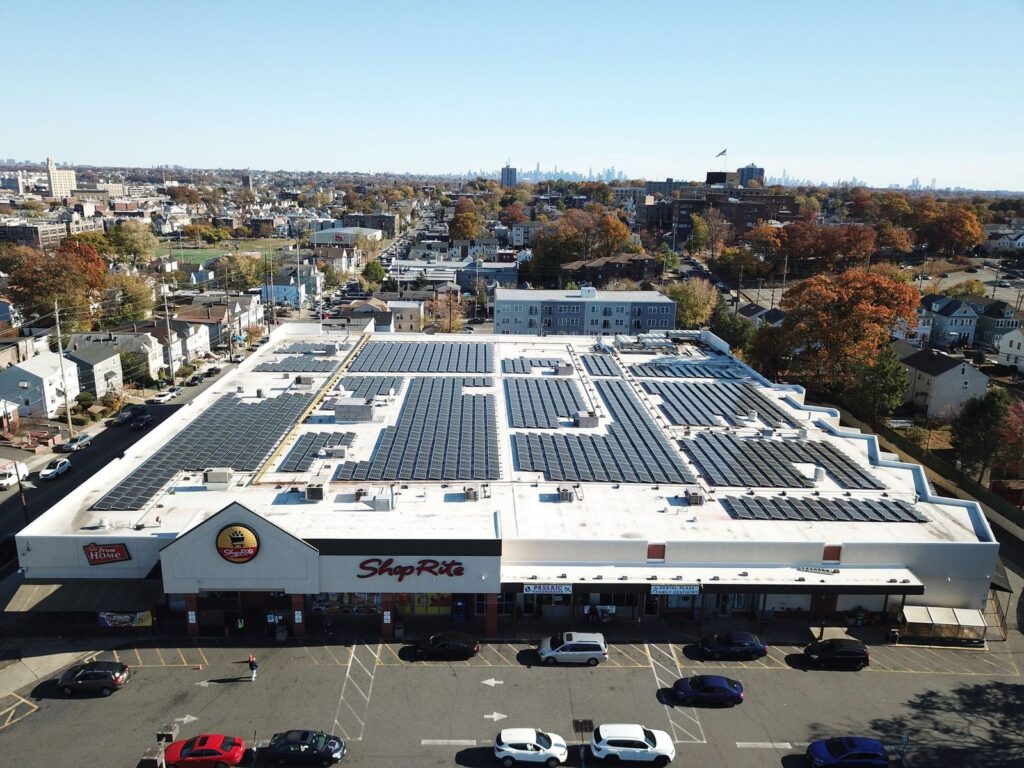
Plankton Energy helps property owners maximize solar savings through a suite of incentives—each tailored to your ownership model and project location. Whether you’re investing directly or leasing your roof, our team ensures you capture every dollar available through local, state, and federal programs.
Returns depend on the property’s electricity rates, the incentives available in its state, and the structure chosen. For well-structured, owner-financed commercial systems, unlevered project IRRs have typically ranged from about 8% to 25%, with simple paybacks of roughly three to nine years, driven by long-term utility savings, MACRS accelerated depreciation and the federal Investment Tax Credit where the project qualifies. Under a PPA or site lease the owner takes no capital risk and the return arrives as lower power costs or lease income. Plankton Energy models the full economics for every project; for the current status of the federal credit, read when the commercial solar ITC deadline falls.
Under a power purchase agreement, Plankton Energy finances, owns and operates the system and the property buys the electricity at a fixed rate below the utility’s, with no capital outlay. Under a site lease, the owner hosts the system on its roof or parking lot, receives lease income, and the power serves community-solar subscribers or the grid. With direct ownership, the property pays for the system and keeps all of the savings and the tax benefits. The right choice depends on the owner’s tax position, capital plans and appetite for operating a long-term asset.
Yes, and state programs often matter as much as federal tax treatment. Massachusetts pays commercial hosts through the SMART program alongside net metering; New York’s NY-Sun program supports projects in Con Edison and upstate utility territories; New Jersey’s SuSI program pays per megawatt-hour generated; and Connecticut’s school projects have used ZREC contracts. Because the rules differ, Plankton Energy models each project under its own state and utility framework. Start with our Massachusetts commercial solar page or the state pages under Our Portfolio.