Doing Commercial Solar Research in Massachusetts?

Contact Us Today And Get For Your RE Portfolio -- Personalized 20-Year Net Income Projections From Commercial Solar

Receive:

🔴 If purchasing solar system, construction must begin by July 2026 to qualify for the full 30% Federal Investment Tax Credit (ITC)

Multi Step Google Ads Form (#7)

COMMERCIAL SOLAR PARTNERS WITH LEADING MASSACHUSETTS INSTITUTIONS

Commercial solar clients include:

Eversource Territory

National Grid Territory

Unitil Territory

FEATURED COMMERCIAL SOLAR PROJECTS

commercial solar company massachussetts

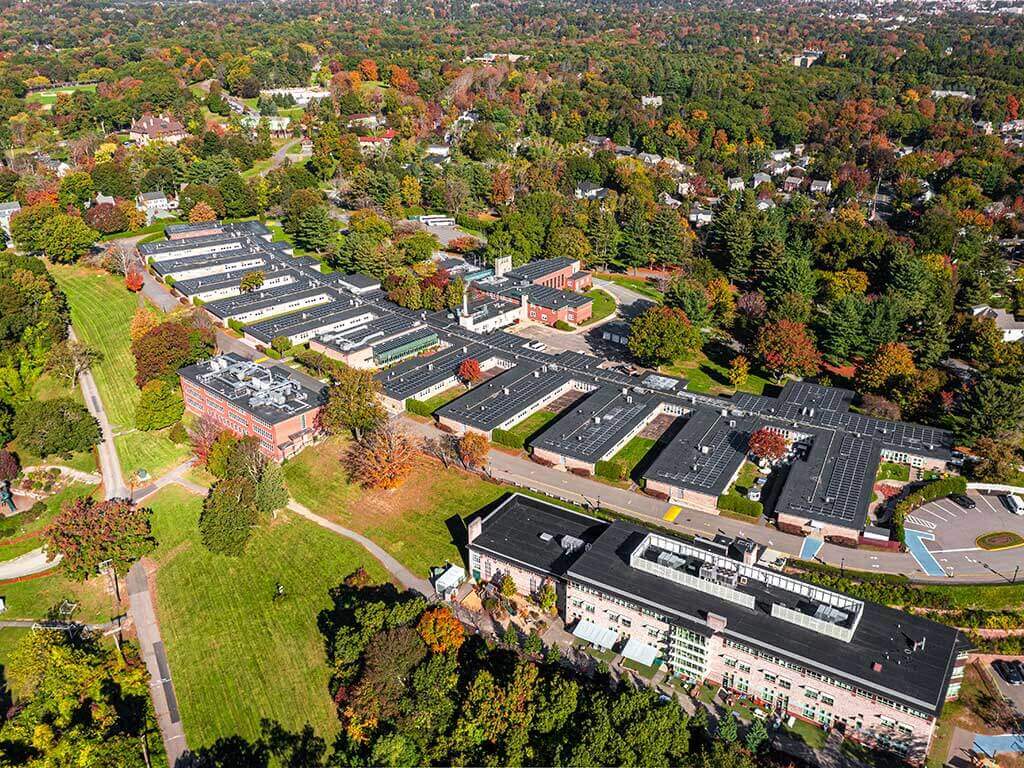
Educational Campus

Jamaica Plain, MA

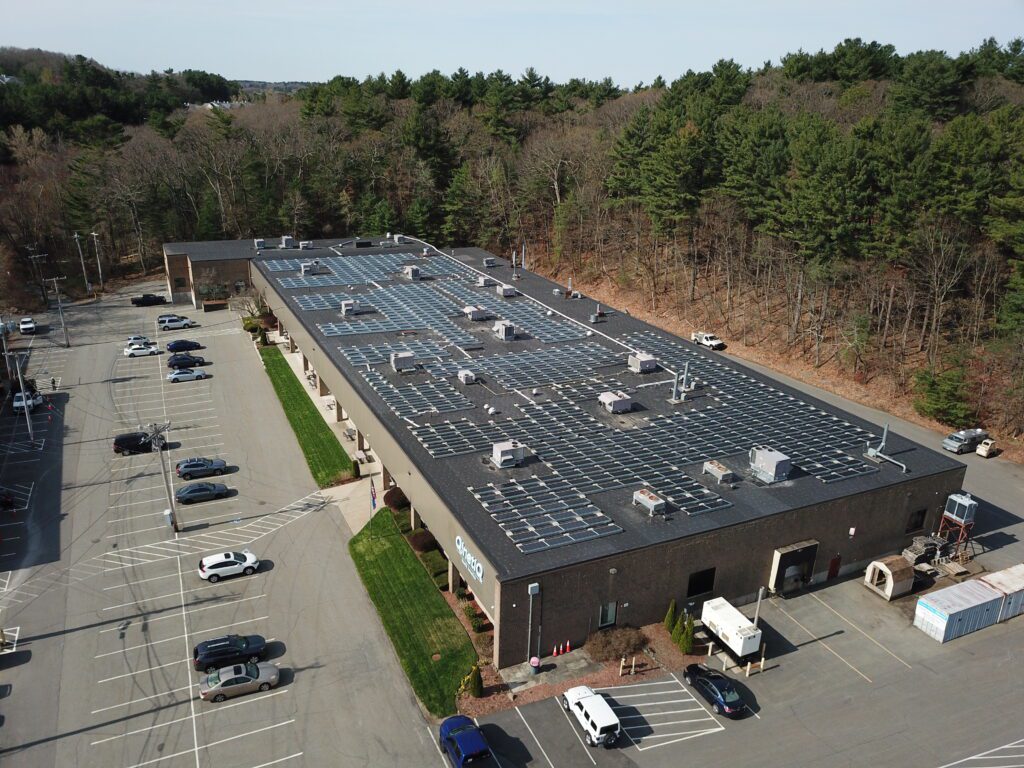
Industrial Factory

Franklin, MA
church solar panel installation

Place of Worship

Hopkinton, MA
Waltham, MA

Commercial Office Building

Waltham, MA

MASSACHUSETTS COMMERCIAL SOLAR PORTFOLIO

Join other Massachusetts property owners, REITs, and CRE investors generating income with commercial solar.

STILL ON THE FENCE?

Common Concerns

And Our Solutions

  • Power Purchase Agreement (PPA)
  • Site Lease
  • Site lease income model
  • Tenant savings model
  • Owner captures tax benefits
  • Full Operations & Maintenance (O&M)
  • 25-year panel warranties
  • SMART applications
  • DOER paperwork
  • Permits
  • Utility interconnection

WHY MASSACHUSETTS DEVELOPERS CHOOSE PLANKTON

CREDENTIALS

nabcep board certified
solar energy industries association certified commercial solar company

FEATURED IN

business insider
new york weekly

REQUEST CUSTOM COMMERCIAL SOLAR PLAN

We help you:

Navigate SMART 3.0 application process

Maximize 20-year SMART income

Capture Federal ITC + MACRS depreciation

Work through MA building codes & permitting

Coordinate with Eversource, National Grid, and Unitil

Google Ads Form
FEDERAL TAX BENEFITS (Deadline: Mid-2026)

Note: Projects must begin construction by mid-2026 to qualify for full 30% ITC.

Massachusetts electricity rates remain among the highest in the United States, increasing the financial upside of commercial solar adoption.

1. Schedule A Consultation

Review property details and energy usage.

2. Custom Financial Analysis

Model SMART income, tax benefits, and ROI.

3. Clear Proposal

Receive detailed proposal with financing options.

4. Seamless Installation

Permitting, installation, and interconnection handled in-house.

Call Us Mon-Fri During Business Hours

Speak With Our Team

massachusetts solar

FREQUENTLY ASKED QUESTIONS

How does SMART 3.0 differ from previous versions?

SMART 1.0 and 2.0 used a declining block structure—incentive rates dropped each time a capacity block filled up. By 2023, some blocks had bottomed out to $0.00 incentives.

SMART 3.0 replaces that with an annual assessment model. DOER now evaluates and adjusts rates and capacity each year based on actual market conditions—material costs, development costs, energy prices. This creates more predictability for developers and avoids the “race to the bottom” problem.

Other key changes:
∙ Higher base compensation rates than late-stage SMART 2.0
∙ Projects 1 MW and larger now require co-located battery storage
∙ New adders for large rooftop systems (>900 kW)
∙ Greenfield mitigation fees ($50,000/acre) to steer projects toward rooftops, brownfields, and dual-use agricultural land
∙ Rates can adjust up to 20% year-over-year (vs. only declining in previous versions)

What are the current SMART incentive rates for my utility territory?

SMART 3.0 rates vary by system size, project type, and utility territory (Eversource, National Grid, Unitil). Rather than publish a static number here, rates are calculated using DOER’s official Value of Energy and Incentive Calculator, which factors in:
∙ System size
∙ Behind-the-meter vs. front-of-meter
∙ Utility service territory
∙ Customer rate class
∙ Applicable adders (storage, building-mounted, low-income, etc.)

For commercial behind-the-meter systems, Program Year 2026 base compensation rates are approximately $0.24–$0.28/kWh before adders, though final rates depend on your specific project configuration.

We’ll calculate your exact rates as part of our free SMART 3.0 analysis.

Can SMART 3.0 be combined with net metering?

Yes. Behind-the-meter projects can receive both SMART incentive payments AND net metering credits—they run in parallel.

Here’s how it works: SMART pays you for every kWh your system produces. Net metering credits you for excess electricity you send back to the grid. The SMART formula accounts for this by subtracting the “Value of Energy” (what you’d save through net metering) from the Base Compensation Rate—so you’re not double-compensated for the same kWh.

The result: You get bill savings from offsetting your electricity usage, plus a separate monthly SMART incentive payment. For commercial systems, this combination typically generates the best overall returns.

What happens if SMART capacity fills up?

Program Year 2026 has 600 MW of available capacity for projects subject to the cap. If that fills before December 31, 2026, new applications go on a waitlist.

Waitlisted projects get priority consideration when Program Year 2027 opens—they’re processed before any new 2027 applications.

But here’s the catch: you’d lock in at 2027 rates, not 2026 rates. And there’s no guarantee 2027 rates will be as favorable (they can adjust up to 20% in either direction).

Good news for smaller projects: Behind-the-meter systems under 250 kW and all systems under 25 kW are NOT subject to capacity caps—they have uncapped access to the program.

For larger commercial projects, the takeaway is clear: apply early in the program year to secure your spot and lock in current rates.